 guide@carshipping.online
 Short answer: Shipping a car across the US typically costs between $700 and $1,500. That’s an average of about $0.50 to $1.00 per mile for long distances. Your exact quote depends on the route, vehicle size, transport type, and season.
Key takeaways
- Average cost to ship a car coast-to-coast is $1,000–$1,500.
- Open transport is almost always cheaper than enclosed.
- Shipping during off-peak times saves 10–20%.
- Distance isn’t the only cost; fuel and route density matter.
- Get quotes from at least three brokers to compare.
- Price isn’t everything—check reviews and insurance coverage.
What you will find here
- What Is the Average Cost to Ship a Car Across the Country?
- Why Car Shipping Prices Vary: The Main Factors
- How to Get an Accurate Car Shipping Quote
- How Much Do You Pay? Understanding the Payment Process
- Ways to Save Money on Cross-Country Car Shipping
- Comparing Costs: Open vs. Enclosed Transport
- What About Shipping a Car That Doesn’t Run?
- How to Prepare Your Car for Shipping
- Choosing a Car Shipping Company
- Final Thoughts: Get Ready to Ship Your Car
If you’re moving across the country and planning to take your car, you’ve probably asked: how much does it cost to ship a car across the US? The short answer is that most people pay between $700 and $1,500 for a coast-to-coast shipment. But that range is just a starting point. Your final price depends on several key factors that I’ll break down in this guide.
What Is the Average Cost to Ship a Car Across the Country?
When we look at typical car shipping rates, a cross-country move from New York to Los Angeles (about 2,800 miles) often lands in the $1,000 to $1,400 range. A shorter but still significant route, like Chicago to Miami, might run $900 to $1,200. These prices are for open transport, the most common and affordable option.
Keep in mind that these are ballpark numbers. I’ve seen quotes as low as $600 for a compact car on a busy route, and as high as $2,000 for a large SUV in enclosed transport during peak season. The best way to get a precise figure is to request quotes from multiple car shipping companies. You can also use our [step-by-step guide to shipping a car cross-country](https://carshipping.online/ship-car-cross-country-step-by-step-guide-2/) to understand the process before you start.
Why Car Shipping Prices Vary: The Main Factors

Car shipping isn’t a flat-rate business. Think of it like an airline ticket—prices fluctuate based on supply and demand, plus a few other considerations. Here are the most important variables that impact your final cost.
Distance and Route
The longer the distance, the more you’ll pay—that’s obvious. But the route itself matters, too. If you’re shipping between major cities with heavy auto transport traffic, you’ll likely pay less than if you’re shipping to a rural area. That’s because carriers prefer routes where they can find return loads, and they pass those savings on to you.
Vehicle Size and Weight
Your car’s dimensions and weight directly affect the quote. A compact sedan takes up less space and weighs less, so it’s cheaper to ship. A large SUV or a truck takes up more room on the carrier and may require special handling. On average, larger vehicles cost 10% to 20% more to ship.
Transport Type: Open vs. Enclosed
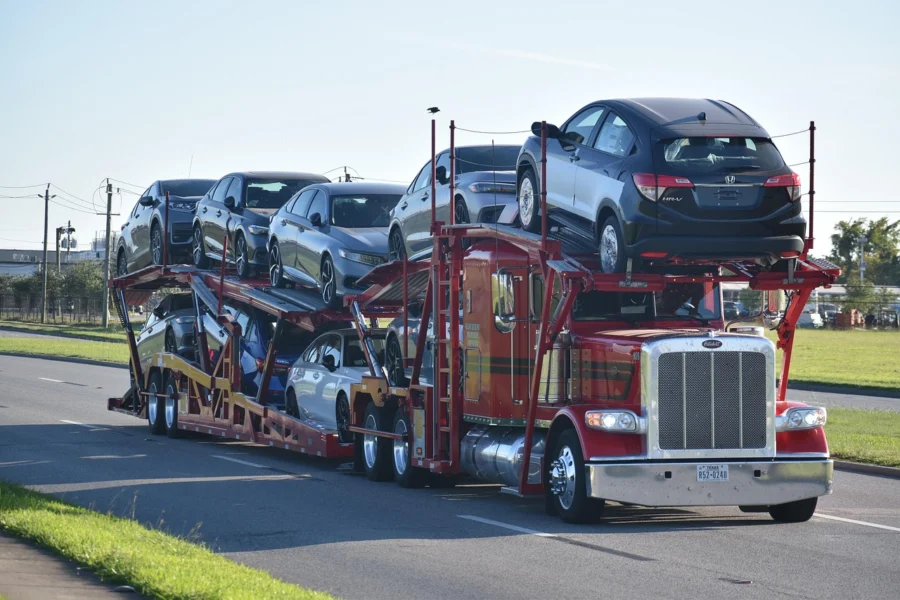
Open transport is the standard—your car sits on an open trailer with other cars. It’s the most cost-effective option. Enclosed transport puts your car in a covered trailer, protecting it from weather and road debris. It typically costs 30% to 50% more. If you’re shipping a classic or luxury car, the extra peace of mind is often worth it. For more details, check out our [guide to getting an accurate classic car shipping quote](https://carshipping.online/accurate-classic-car-shipping-quote/).
Seasonality and Timing
Demand peaks in summer (May–August) and around holidays, which pushes prices up. If you can be flexible, you’ll save money by shipping during the off-season—like late fall or winter, except around Christmas. Also, if you can wait a few extra days for pickup, you have more leverage to negotiate a better rate.
Pickup and Delivery Location
Shipping from your home to the carrier’s terminal is cheaper than door-to-door service. If you’re willing to drop off and pick up your car at a terminal, you can save $100 to $200. Door-to-door is more convenient but adds a bit to the cost, especially if you’re in a remote area.
How to Get an Accurate Car Shipping Quote

To get a realistic price, you need to provide accurate details. Most companies ask for: your vehicle’s make, model, and condition; the pickup and delivery zip codes; the desired dates; and which transport type you prefer. Be honest about the condition—if your car doesn’t run, that increases the cost because carriers need special equipment to load it.
When requesting quotes, use the same information for each company so you can compare apples to apples. I recommend contacting at least three brokers or carriers. Watch out for quotes that come in dramatically lower than others—they might indicate a bait-and-switch tactic, which is unfortunately common in this industry.
How Much Do You Pay? Understanding the Payment Process
You generally pay a deposit upfront (often $100–$200) to reserve your spot on a carrier. The rest is due at delivery. Some companies ask for full payment upfront, but that’s not standard practice. Make sure you understand the payment terms before you sign anything.
One red flag: a company that demands the full amount before pickup without a clear reason. Reputable companies have transparent policies.
Ways to Save Money on Cross-Country Car Shipping
If you’re on a budget, these tips can help lower the cost:
- Book early: Last-minute shipments cost more. Giving at least 2–3 weeks’ notice gives you more negotiation power.
- Be flexible with dates: If you can allow a few extra days for pickup or delivery, you can often get a better rate.
- Choose terminal-to-terminal: You’ll save if you can drop off and pick up your car at a terminal.
- Ship with open transport: Unless you have a high-value or classic car, open transport is fine.
- Compare multiple quotes: Don’t take the first offer. Shop around.
Remember that the cheapest option isn’t always the best. Read reviews, check the company’s USDOT number, and make sure they have proper insurance coverage.
Comparing Costs: Open vs. Enclosed Transport
Here’s a quick comparison of what you might expect to pay for a typical cross-country shipment (e.g., 2,500 miles):
| Transport Type | Average Cost | Pros | Cons |
|---|---|---|---|
| Open Transport | $900 – $1,300 | Most affordable, widely available | Exposed to weather and debris |
| Enclosed Transport | $1,400 – $1,900 | Full protection, ideal for classics | Costs significantly more |
These figures are estimates based on typical market rates. Your actual quote might differ based on the factors we discussed.
What About Shipping a Car That Doesn’t Run?
If your car is inoperable, expect to pay a premium. Carriers use winches and special equipment to load non-running vehicles, which takes extra time and effort. The surcharge is usually $100 to $200 on top of the standard rate. Be sure to disclose that the car doesn’t run when you get your quote.
How to Prepare Your Car for Shipping
Before the carrier arrives, take a few steps to protect yourself and your vehicle. Wash your car thoroughly and photograph it from all angles, including the odometer reading and any existing damage. Remove personal items from the interior and trunk—carriers aren’t liable for them, and they add weight. Disable your toll pass or garage remote, and leave only a quarter tank of gas to reduce weight. Note any mechanical issues. This documentation will be your evidence if you need to file a claim later.
Choosing a Car Shipping Company
Selecting the right company is just as important as the price. Look for a broker or carrier with a valid USDOT number, which you can verify on the FMCSA website. Check review sites and the Better Business Bureau for complaints. Ask for proof of insurance and read the fine print in the contract. A reputable company will provide a written estimate and explain all fees. If a deal seems too good to be true, it probably is.
Final Thoughts: Get Ready to Ship Your Car
Now you have a clear picture of what it costs to ship a car across the US. The key takeaway is to get multiple quotes, plan ahead, and be flexible. If you’re ready to start the process, follow our [step-by-step guide to shipping a car cross-country](https://carshipping.online/ship-car-cross-country-step-by-step-guide-2/) for a stress-free experience. And if you’re sending a classic or high-value vehicle, our [classic car shipping quote guide](https://carshipping.online/accurate-classic-car-shipping-quote/) will help you get an accurate price.
Frequently asked questions
What is the cheapest way to ship a car across the US?
The cheapest way is usually open transport with terminal-to-terminal service. This means you drop off and pick up your car at designated terminals, which cuts costs. You’ll also save by booking in advance and being flexible with dates.
How far in advance should I book car shipping?
It’s best to book at least 2–3 weeks before your desired pickup date. This gives you time to compare quotes and gives carriers time to plan routes. Last-minute bookings often cost more and limit your choices.
Is it safe to ship a car across the country?
Yes, car shipping is generally safe. Reputable companies carry insurance, and your vehicle is covered while in transit. When you choose a company, verify their USDOT number and read customer reviews to ensure reliability.
Can I negotiate car shipping prices?
Absolutely. Like any service, prices are negotiable, especially if you’re flexible with your shipping dates. Comparing quotes from multiple companies gives you leverage to ask for a better rate.
Does my car insurance cover damage during shipping?
Usually not. Your personal auto insurance typically doesn’t cover damage during shipping. The transport company’s insurance covers your vehicle, but you should always verify the amount of coverage and ask for proof before booking.
