 guide@carshipping.online
 Short answer: Open car shipping is the standard, lower-cost option where vehicles ride on an open trailer. Enclosed car shipping costs more but protects your vehicle from weather and road debris. Choose open for everyday cars, enclosed for classic, luxury, or high-value vehicles.
Key takeaways
- Open transport is cheaper, usually $200–$400 less.
- Enclosed transport shields from weather and debris.
- Open carriers are more common, so scheduling is easier.
- Enclosed is recommended for classic or luxury cars.
- Both methods offer door-to-door and terminal-to-terminal options.
- Get quotes from multiple carriers to compare costs.
What you will find here
- What Is Open Car Shipping?
- What Is Enclosed Car Shipping?
- Cost Comparison: Open vs. Enclosed
- Risk Factors to Consider
- When to Choose Open Shipping
- When to Choose Enclosed Shipping
- Other Factors: Insurance and Transit Time
- How to Make Your Decision
- Inspecting Your Vehicle Before and After Shipping
- How to Save Money on Transport
- Final Thoughts
You’ve finally found the perfect car across the country, or you’re relocating and need your vehicle shipped. Now you’re staring at a choice: open or enclosed car shipping. The decision affects your budget and your peace of mind. Let’s break it down so you can pick the right method for your ride.
What Is Open Car Shipping?
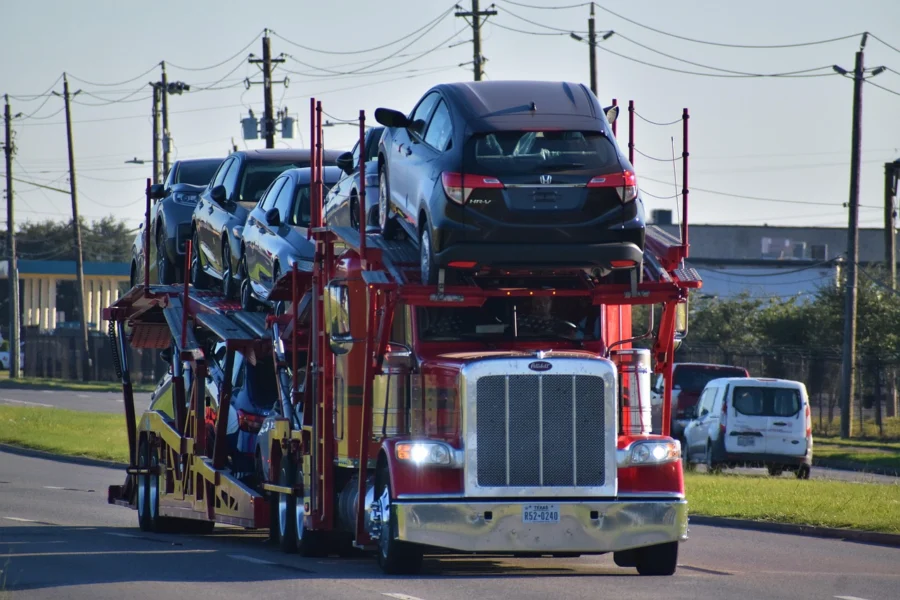
Open car shipping is the most common and economical way to transport vehicles. Your car is loaded onto an open trailer—the same type you see carrying new cars from factories to dealerships. It’s exposed to the elements: sun, rain, dust, and road debris kicked up by other vehicles.
For most everyday drivers, that exposure is fine. The car already faces those conditions on the road. You’re not adding significant risk unless you’re hauling something with a pristine paint job or a vehicle that’s irreplaceable.
Open transport is also faster to book because there are far more open carriers on the road. That means you’ll likely find a pickup window that fits your schedule, and you’ll pay less for the convenience.
What Is Enclosed Car Shipping?
Enclosed car shipping moves your vehicle inside a covered trailer—either a soft-sided curtain or a hard-sided enclosed unit. Your car is completely shielded from weather, debris, and prying eyes. This is the go-to for classic cars, exotic vehicles, and high-end luxury models.
The extra protection comes at a price. Enclosed transport can cost 30% to 50% more than open shipping. It also takes longer to arrange because there are fewer enclosed carriers operating, so you may have to wait for an available route.
But for a car that’s never seen rain or a rock chip, that premium is worth every penny. Enclosed shipping reduces the chances of damage from something as simple as a pebble hitting your hood at highway speed.
Cost Comparison: Open vs. Enclosed
The biggest difference is the price tag. On a typical 1,000-mile trip, you might pay around $600–$900 for open transport. The same trip in an enclosed trailer could run $900–$1,400 or more, depending on the carrier and the season.
| Factor | Open Transport | Enclosed Transport |
|---|---|---|
| Average cost (1,000 miles) | $600–$900 | $900–$1,400 |
| Protection from weather | Low | High |
| Protection from debris | Low | High |
| Availability | High | Limited |
| Typical vehicles | Daily drivers, new cars | Classic, luxury, exotic |
The price difference is because enclosed trailers cost more to operate, and the demand is lower. You’re paying for specialized service, not a fancier ride.
Risk Factors to Consider
What can actually go wrong on an open carrier? Weather is the obvious one—rain, hail, or a sudden snowstorm could hit your car. But the bigger daily risk is road debris: rocks, gravel, and even chunks of tire can fly up and damage paint or windshields.
Open carriers also expose your car to more human interaction. At rest stops, people might walk by and touch the car, or worse. It’s rare, but it happens. Enclosed trailers keep the car out of sight, which is a nice perk if you’re shipping something rare.
However, open transport isn’t dangerous for most vehicles. Thousands of cars ship this way every day without a scratch. The carrier’s drivers are trained to secure loads properly, and open transport is a proven industry standard.
When to Choose Open Shipping
If you’re shipping a standard sedan, an SUV, or a pickup that you drive daily, open transport is almost always the smart move. It’s affordable, widely available, and gets the job done without fuss.
Even if your car is a few years old but not a collector piece, open is fine. The money you save can cover other moving expenses. Many dealerships ship new cars on open carriers, so your car will be in good company.
One exception: if your car has been modified with a custom paint job or expensive body kit, you might want to reconsider. In that case, the extra protection of enclosed could be worth the higher cost.
When to Choose Enclosed Shipping
Enclosed transport is essential for classic cars, high-end sports cars, and vehicles with sentimental value. If a single rock chip would crush you, enclosed is the way to go. It’s also a smart choice for cars that aren’t drivable, because they can’t be moved in an emergency if something goes wrong.
Another situation: if you’re shipping a car that’s part of a major investment, like a vintage muscle car you plan to sell. A perfect paint job can add thousands to the value, so protecting it during transport is an investment in itself.
If you’re moving overseas, enclosed shipping is often required by international carriers. They use containers, which is the ultimate form of enclosed transport.
Other Factors: Insurance and Transit Time
Both open and enclosed carriers carry insurance, but the coverage can differ. Always ask for a copy of the carrier’s insurance certificate and check what’s covered. Your own auto insurance may or may not cover transport damage—check with your agent.
Transit time is another differentiator. Open carriers have more frequent departures, so your car might ship sooner. Enclosed carriers have limited schedules, so you might wait days or even weeks for an available trailer. If you’re on a tight deadline, open is usually the safer bet.
How to Make Your Decision
Start by asking yourself three questions. Is the car a daily driver or a collector piece? Can you afford the higher cost of enclosed? How much risk are you comfortable with?
If you’re still unsure, get quotes for both methods from several carriers. Compare not just price, but also reviews, insurance coverage, and pickup windows. Would be wise to read our guide on what to look for in an enclosed car shipping quote.
For most people, open transport is the clear winner. It’s cost-effective, widely available, and gets your car where it needs to go. But if you’re shipping something precious, don’t skimp. The peace of mind is worth the extra cost.

Before you book, ask the carrier about their loading process and whether they use soft straps or chains. Also confirm how many vehicles will be on the trailer—a fully loaded open trailer means more potential for door dings, though carriers are careful.
Inspecting Your Vehicle Before and After Shipping
Do a thorough walkaround before the carrier arrives. Take timestamped photos of every side, the roof, the undercarriage, and the odometer. Note any existing scratches, chips, or dents. When the car is loaded, take another set of photos showing it secured on the trailer.
When your car is delivered, inspect it again before you sign anything. Look for new damage, and note it on the bill of lading. If you spot a problem, photograph it immediately and file a claim with the carrier. Remember that you typically have a limited window—often 24 to 48 hours—to report damage after delivery.
It’s also smart to remove toll passes, garage door openers, and any loose items from the car. Carriers won’t cover personal items left inside, and they can shift during transit. Clean out the trunk and glove box, and take your valuables with you.
How to Save Money on Transport
Try to book your transport two to three weeks ahead. Last-minute requests often cost more, especially during peak moving seasons. Be flexible with your pickup and delivery dates—carriers may offer a discount if you can work around their schedule.
If you’re shipping between major cities, you might find lower rates because there’s more demand on those routes. Do a quick search for terminals in your area. Dropping off and picking up your car at a terminal can save a few hundred dollars compared to door-to-door service.
Just weigh the inconvenience. You’ll need to get to the terminal, and your car might sit there for a day or two. But for many budget-conscious shippers, the savings are worth it.
Final Thoughts
There’s no universal right answer. Open shipping is the economical, no-frills choice that works for most cars. Enclosed shipping is the premium option that’s worth it for irreplaceable vehicles.

If you’re still torn, weigh the cost difference against the value of your car. A few hundred dollars is a small price to avoid a nightmare scratch on a classic. But if your car is a dependable commuter, save your money and go open.
Take your time, read reviews, and get a written quote. When you choose the right method, your car will arrive safely—and that’s what matters.
Frequently asked questions
Is open car shipping safe for a new car?
Yes, open car shipping is safe for most new cars. In fact, many dealerships ship new vehicles on open carriers. The main risks are weather and road debris, which can cause minor paint damage. If your new car is a standard model, open transport is a safe and cost-effective choice.
How much more does enclosed car shipping cost?
Enclosed car shipping typically costs 30% to 50% more than open transport. For a 1,000-mile trip, that could mean an extra $300 to $500. The exact price depends on the distance, the carrier, and the time of year.
What is the main difference between open and enclosed transport?
The main difference is exposure. Open transport carries vehicles on an open trailer, leaving them exposed to weather and road debris. Enclosed transport uses a covered trailer that protects the vehicle from these elements. Enclosed costs more but provides greater protection.
Can I request enclosed transport for any car?
Yes, any car can be shipped via enclosed transport, regardless of make or model. Some carriers may have restrictions on vehicle size or weight, but generally you can choose enclosed for any vehicle. Just be prepared to pay the higher rate.
Does enclosed transport take longer than open?
Yes, enclosed transport often takes longer to arrange because fewer enclosed carriers are on the road. You may have to wait for an available trailer to match your route. Open carriers have more frequent departures, so pickup and delivery are typically faster.

1 comment
1 comment on "Open vs. Enclosed Car Shipping: How to Choose"
Comments are closed.