 guide@carshipping.online
 Short answer: Classic car shipping is best done with enclosed auto transport to protect the vehicle from weather and road debris. Research carriers, get multiple quotes, and prepare the car by documenting its condition and disabling alarms.
Key takeaways
- Enclosed transport is safest for classic cars
- Get multiple quotes and compare insurance
- Document existing damage before pickup
- Prepare car: disable alarm, check fluids, leave keys
- Choose a carrier with classic car experience
What you will find here
- What Is Classic Car Shipping?
- Enclosed vs. Open Transport
- How to Choose a Classic Car Shipping Company
- How to Estimate Classic Car Shipping Costs
- Preparing Your Classic Car for Shipping
- Understanding Insurance for Classic Car Shipping
- How to Handle the Pickup and Delivery
- Common Mistakes to Avoid
- What to Do If Your Car Arrives with Damage
- When to Ship by Air or Expedited
Classic cars are more than vehicles. They’re investments, pieces of history, and often the result of years of sweat and careful restoration. When you need to move one across the country, you want to trust that it’ll arrive exactly as it left. That’s where classic car shipping comes in. The right transport company and the right preparation can make all the difference between a smooth ride and a nightmare. Let’s walk through what you need to know.
What Is Classic Car Shipping?
Classic car shipping is specialized auto transport designed to move collectible and vintage vehicles safely. It differs from standard car shipping in a few important ways. First, carriers usually use enclosed trailers that shield your car from weather, dirt, and road debris. Second, they often offer lift-gate loading so low-clearance cars can be moved without scraping. Third, the drivers are typically more experienced with handling valuable vehicles.
You’ll also find that classic car shippers often provide more personalized service. They might coordinate with you on timing, offer door-to-door delivery, and allow you to track your vehicle in real time. That level of care is exactly what a collector wants.
Enclosed vs. Open Transport
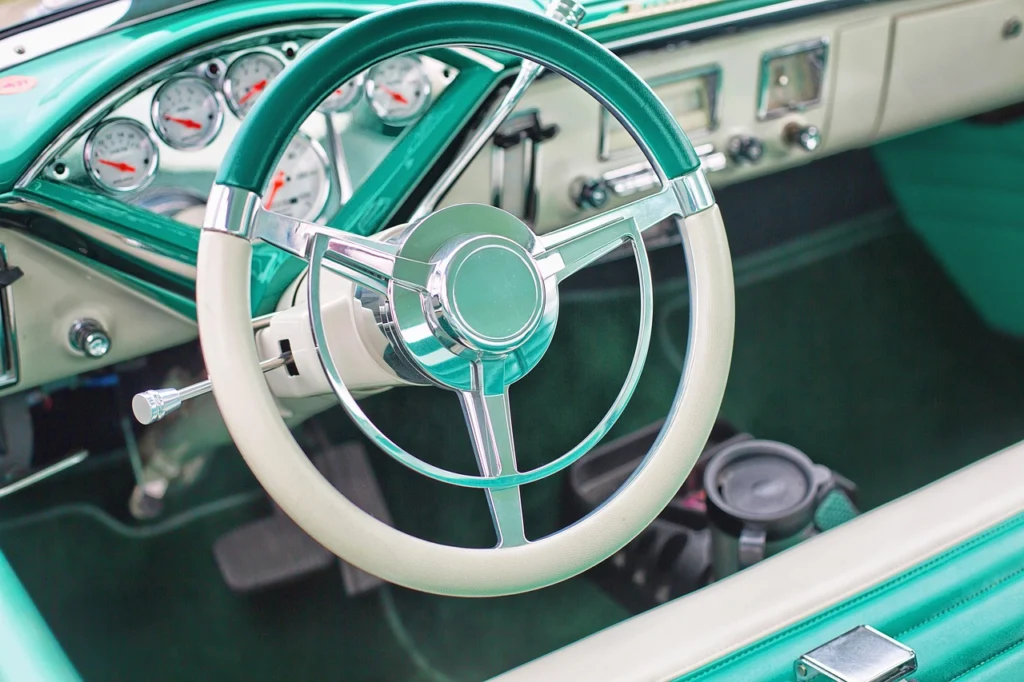
The biggest decision you’ll make is whether to use open or enclosed transport. Open carriers are the big multi-car trailers you see on highways. They’re cheaper, with typical costs starting around $500 for short hops and going up from there, but they leave your classic exposed to the elements.
Enclosed transport, on the other hand, puts your car in a fully covered trailer. It costs more—often 50% to 100% more than open—but it’s the only real choice for a true collector. The extra cost buys peace of mind: no gravel chips, no bird droppings, no sun fade. If your car is worth more than $25,000 or you plan to show it, enclosed is the way to go.
| Factor | Open Transport | Enclosed Transport |
|---|---|---|
| Protection | Exposed to weather and debris | Fully covered, safe |
| Cost | Lower | Higher (50-100% more) |
| Loading | Drive-on ramps | Lift-gate available, safer for low cars |
| Best for | Daily drivers, budget moves | Classic, exotic, and show cars |
How to Choose a Classic Car Shipping Company
Not all auto transporters are created equal, especially when it comes to classics. You want a company that understands the stakes. Start by looking for carriers that specialize in classic or luxury vehicles. Ask about their experience, their equipment, and their insurance coverage.
Get at least three quotes from different companies. Compare not just price, but what’s included. Some quotes may seem low but have hidden fees for lift-gate loading, inside pickup, or expedited delivery. Read the fine print.
Check online reviews on sites like Transport Reviews or the Better Business Bureau. Look for patterns—consistent complaints about delays or damage are red flags. Also, verify their USDOT number with the Federal Motor Carrier Safety Administration to ensure they’re properly licensed.
Key Questions to Ask a Transporter
- Do you use enclosed trailers exclusively?
- What is your claims process if damage occurs?
- Can you provide references from classic car owners?
- Do you offer door-to-door delivery?
- What does your contract include regarding liability?
How to Estimate Classic Car Shipping Costs
Classic car shipping costs vary based on distance, transport type, vehicle size, and season. As a rule of thumb, a cross-country move in an enclosed trailer might run between $1,500 and $3,500, but that’s a wide range. I’ve seen simpler routes go for less, and high-value vehicles with special handling requirements cost more.
The best way to get a reliable number is to request quotes from multiple companies. Use our guide to getting an accurate classic car shipping quote to understand what goes into that number. Be prepared with your exact pickup and delivery locations, the car’s make and model, and whether you want enclosed or open transport.
Preparing Your Classic Car for Shipping
Preparation is key. Here’s a step-by-step list to get your car ready for the transporter:
- Clean the car. A clean car allows the inspector to note any existing chips or scratches. Photograph everything before loading.
- Check fluids. Make sure oil, coolant, and brake fluid are at proper levels. You don’t want leaks during transit.
- Disable the alarm. A moving trailer can set off an alarm, which could drain the battery or annoy the driver.
- Leave the keys. The driver will need to move the car. Provide a spare key and leave the main key with the car.
- Remove loose items. Anything that can slide around should be taken out. This includes floor mats, toll tags, and personal belongings.
- Check for leaks. Fix any oil or coolant leaks before pickup to avoid soiling the trailer floor.
- Tape down trim. If you have chrome trim or moldings, a strip of painter’s tape can prevent them from vibrating loose.
By taking these steps, you reduce the risk of damage and make the driver’s job easier. For more detailed advice, see our guide on how to ship a classic car safely across the US.
Understanding Insurance for Classic Car Shipping
Every carrier has some level of insurance, but it’s not always enough. The minimum is usually $100,000 per vehicle, but that might not cover the true value of your classic. Ask for a copy of their insurance certificate and confirm it’s current.
If your car is worth more than the carrier’s liability limit, consider purchasing additional coverage. Many classic car insurance policies include transit coverage, so check with your own insurer first. Some shipping companies offer supplemental insurance for a fee. It’s worth the money for peace of mind.
How to Handle the Pickup and Delivery
On pickup day, be present and walk around the vehicle with the driver. Document everything with photos and notes on the bill of lading. Note any existing damage, no matter how small. This is your proof if something goes wrong.
At delivery, inspect the car completely before signing anything. Look for new dents, scratches, or mechanical issues. If you see damage, note it on the bill of lading before you sign. If the driver is in a hurry, don’t let that pressure you into a quick sign-off.
One more tip: take photos of the car on the trailer—especially in enclosed transport—if you can. That way you have a visual record of its condition during the journey.
Common Mistakes to Avoid
Collectors often make the same mistakes when shipping their cars. The biggest one is choosing the cheapest option. Cutting corners on a classic car is never worth it. Another mistake is not preparing the car properly—like leaving an alarm armed or not checking fluid levels.
People also forget to ask about the driver’s experience. A great company might still use a newbie driver, so ask if they have experience with classics. And finally, don’t get rushed into a decision. Take your time, read reviews, and get multiple quotes.
What to Do If Your Car Arrives with Damage
Even with the best preparation, damage can happen. If you spot any issues at delivery, don’t sign the bill of lading until you’ve noted them. Take plenty of photos and videos as evidence.
Notify the shipping company immediately, preferably in writing, and file a claim with their insurance. Keep all documentation—photos, notes, the bill of lading—and be prepared to get repair estimates. Most shippers have a claims process, but it can take time. Patience is key, but persistence is essential.
If the carrier is unresponsive, you might need to escalate to the FMCSA or consult a lawyer, especially for high-value vehicles. But many issues are resolved with clear communication and documentation.
When to Ship by Air or Expedited
Sometimes speed matters. Maybe you’re moving for a job or need your car for a show. Expedited shipping is available, but it costs significantly more—often double or triple the standard rate. You might also consider air freight for extremely valuable cars, but that’s rare and very expensive.
For most collectors, standard enclosed transport is fast enough. Plan ahead and book early to avoid the peak season rush, which can mean higher prices and fewer available carriers.
Shipping a classic car can be a stress-free process if you work with the right people and prepare correctly. For a deeper dive into the whole process, check out our complete guide to shipping a classic car across the US. The upfront work saves you from headaches down the road.
Frequently asked questions
How much does it cost to ship a classic car?
Costs vary widely based on distance, transport type, and vehicle size. As a rough estimate, open transport runs $500–$1,500 for most routes, while enclosed transport can be $1,500–$3,500 for cross-country moves. Get multiple quotes to find a competitive price.
Is enclosed transport worth the extra cost?
For most classic cars, yes. Enclosed transport protects your vehicle from weather, road debris, and potential damage. The cost is 50–100% higher than open, but it’s a small price to pay for a valuable or show-ready automobile.
How do I prepare my classic car for shipping?
Clean the car, check fluids, disable the alarm, remove loose items, and tape down any trim. Document existing damage with photos and note it on the bill of lading. Also leave the keys for the driver and make sure the car is in mechanical condition.
What insurance do I need for classic car shipping?
Carriers provide basic liability (typically $100,000), but this may not cover the full value. Check your own classic car insurance policy for transit coverage. You can also purchase supplemental insurance from the transporter if needed.
How do I find a reliable classic car shipping company?
Look for carriers that specialize in classic or luxury vehicles. Check their USDOT number, read independent reviews, ask for references, and ensure they use enclosed trailers. Always get at least three quotes and ask about their claims process.

1 comment
1 comment on "Classic Car Shipping for Collectors: Essential Tips"
Comments are closed.